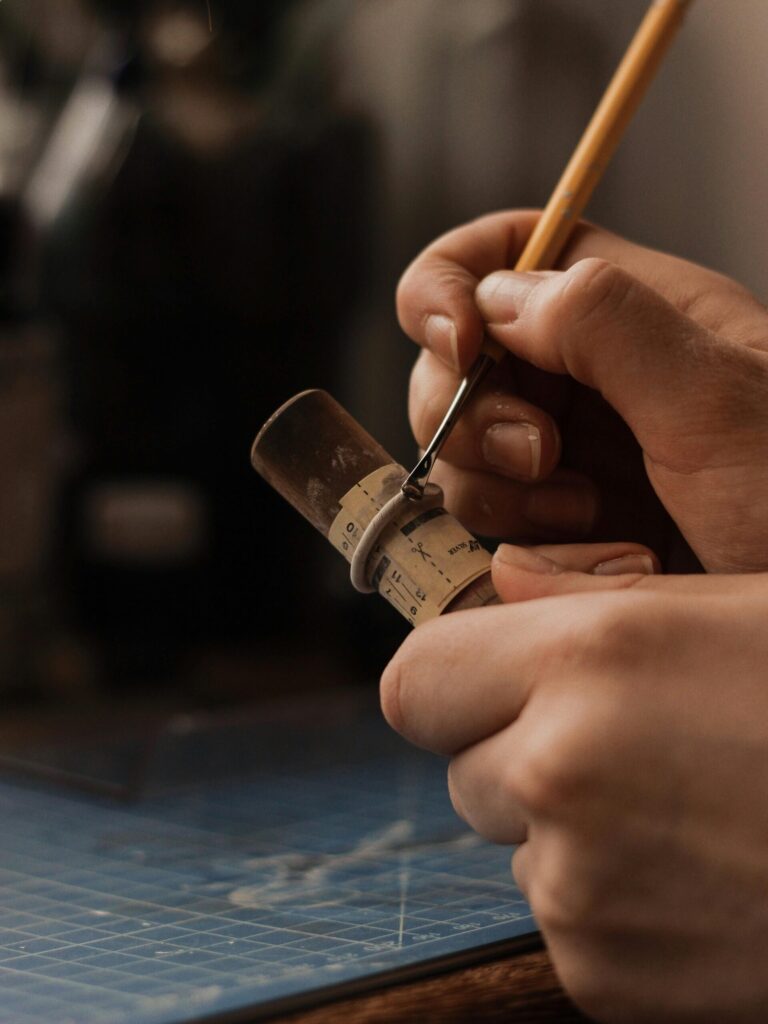
Most people don’t think about jewelry repair until something breaks. A loose diamond. A worn-down claw. A bracelet clasp that suddenly refuses to cooperate. Then there’s a moment of panic, followed by “Okay… who can actually fix this properly?”
If you’re searching for Jewelry Repair Vancouver, you’re probably trying to understand what the repair process really covers and how to make sure your pieces are safe. The truth is that professional repair isn’t just about fixing what’s broken. It’s about restoring the integrity, longevity, and beauty of your jewelry — and doing it in a way that doesn’t compromise the piece.
Let’s break down what reputable Vancouver jewellers actually offer when they say “full-service jewelry repair.”
1. Ring Resizing (Up or Down)
Resizing sounds simple, but it requires precision. A professional resize should:
Maintain the circular shape of the ring
Ensure even thickness around the band
Match the original finish and polish
Protect any stones during heat exposure
If a jeweller returns a ring with thin weak spots or visible seams, that’s not professional-quality work.
2. Prong Re-Tipping and Stone Tightening
Worn claws are one of the most common (and critical) repairs. Professional re-tipping includes:
Inspecting all claws under magnification
Building up metal to restore the claw’s strength
Ensuring symmetry between prongs
Checking stone security afterward
A good jeweller never tells you “it’s fine” when prongs are thinning. Stones fall out because of neglect, not bad luck.
3. Chain and Bracelet Repairs
Delicate chains snap easily. The repair should:
Use solder that matches the metal color
Maintain the original link pattern
Keep flexibility so the chain doesn’t stiffen
If the repair point looks bulky or stiff, it wasn’t done correctly.
4. Clasp Replacement or Reinforcement
Common scenarios:
Lobster clasps stop springing shut
Hinges on bracelet clasps loosen
Safety latches wear out
A proper repair means choosing a clasp that matches the scale and metal of the piece, not just “whatever is available.”
5. Diamond and Gemstone Replacement
If you’ve lost a stone, a professional jeweller should:
Match the size precisely
Match color and clarity for diamonds
Match hue, saturation, and tone for colored gems
Set the stone securely without damaging surrounding metal
For high-value pieces, you should always receive confirmation of the stone quality before installation.
6. Re-Soldering Rings Back Together
Wedding sets that were soldered together often separate over time. A good jeweller ensures:
Seamless solder lines
Proper alignment
Even wear between both rings
The goal is strength without adding bulk.
7. Polishing, Refinishing, and Rhodium Plating
Professional polishing does more than shine things up. It should:
Remove light surface scratches
Restore original shape and edges
Avoid over-polishing (which thins the metal)
Apply an even layer of rhodium on white gold when needed
Rhodium should be smooth, bright, and streak-free.
8. Pearl Restringing
This is often overlooked until a strand breaks. Professional restringing includes:
Hand knotting between pearls
Matching thread color
Ensuring proper tension (not too tight)
If your pearls haven’t been restrung in years, they’re overdue.
9. Cleaning and Inspection
The best repair shops automatically include:
Ultrasonic cleaning
Steam cleaning
Inspection of all contact points, claws, and solder joins
This is how problems are caught before they turn into losses.
How To Know You’re Choosing the Right Vancouver Jeweller
Here’s what to look for before handing over your pieces:
They should:
Inspect your jewelry with you in person
Point out wear you might not notice
Explain exactly what they’re repairing
Give an accurate estimate and timeline
Work with a professional goldsmith, ideally on-site or locally
Provide a clean, itemized take-in form
If a jeweller avoids showing you the wear or can’t explain the process clearly, walk away.
When You Shouldn’t Delay a Repair
Put repairs at the top of your list when:
A stone moves even slightly
A claw looks flat or thin
A chain keeps catching on sweaters
Your ring spins dramatically and wasn’t sized that way
You see a hairline crack in a band
Waiting usually makes the problem more expensive.
Final Thoughts
Good jewelry repair isn’t guesswork — it’s skilled craftsmanship paired with attention to detail. When you’re looking for Jewelry Repair Vancouver, focus on experience, transparency, and quality of workmanship. A trusted jeweller will repair your piece in a way that keeps it strong, secure, and beautiful for years.